Indian agriculture is undergoing a rapid transformation. Farmers are under pressure to grow more food with fewer resources while battling unpredictable weather and pests. One of the biggest game-changers in recent decades has been the introduction of hybrid seeds in India. From vegetables to field crops and fruits, hybrid seeds are revolutionizing modern crop production by ensuring higher yields, better resilience and improved quality.
The Rise of Hybrid Seeds in Indian Agriculture
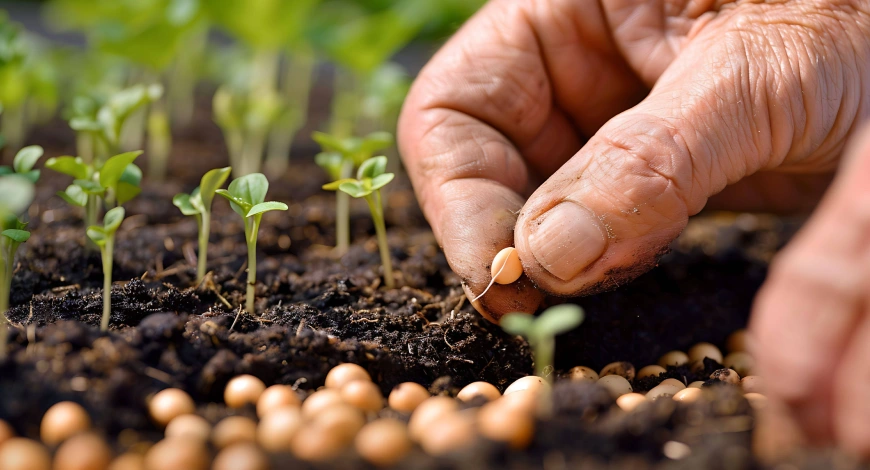
Hybrid seeds are developed by crossing two parent plants with superior traits. The resulting variety combines the strengths of both parents, offering advantages that traditional seeds often lack. In India, the use of hybrid seeds has steadily increased over the last few decades, helping farmers improve their productivity and income.
Advantages of Hybrid Seeds
Higher Yields
Hybrid seeds are bred for maximum productivity. Farmers can achieve significantly higher yields per acre compared to traditional varieties.
Disease Resistance
Hybrid varieties are designed to resist common pests and diseases, reducing the need for heavy pesticide use and minimizing crop losses.
Improved Quality
Crops grown from hybrid seeds are more uniform in size, color and taste. This uniformity helps farmers fetch better prices in the market.
Faster Growth and Early Maturity
Many hybrid seeds allow crops to mature earlier, enabling multiple harvests in a season. This is a huge benefit for farmers with limited land.
Types of Hybrid Seeds in India
Hybrid Vegetable Seeds
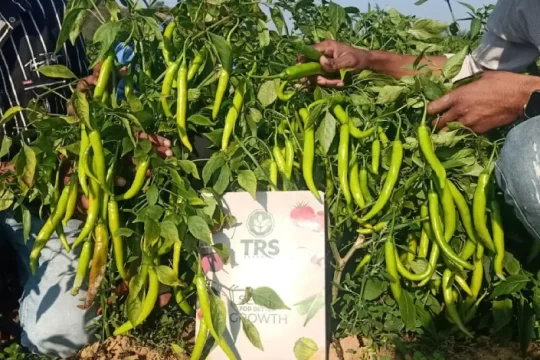
These seeds are used for crops like chilli, tomato, brinjal and cucurbits. They ensure high productivity and consistent quality.
Hybrid Field Crop Seeds
Field crops such as maize, wheat, mustard and bajra benefit greatly from hybrid seeds, improving both yield and resilience.
Hybrid Fruit Seeds
Watermelon, muskmelon and papaya hybrids are gaining popularity among farmers looking for better quality produce and profitability.
Trusted suppliers provide a wide portfolio of field crops seeds and vegetable seeds to meet diverse farming needs.
Impact on Farmers and Agriculture
The adoption of hybrid seeds has had a direct impact on farmers:
- Increased Productivity: Higher output per acre ensures better returns.
- Economic Stability: Better yields help farmers secure stable incomes.
- Sustainability: Reduced pesticide usage and efficient growth cycles contribute to sustainable farming.
- Market Advantage: High-quality, uniform crops attract better buyers and export opportunities.
In the bigger picture, hybrid seeds also support National Food Security by enabling farmers to meet the growing demand for food.
Conclusion
The future of Indian agriculture lies in innovation and hybrid seeds in India are leading that change. By adopting these seeds, farmers are not just growing more food, they are ensuring healthier crops, sustainable practices and better incomes. For those who want to secure long-term success, TRS Seeds provides the key to modern farming.
FAQs
- How are hybrid seeds changing agriculture in India?
Ans: Hybrid seeds are boosting yields, improving crop quality and making farming more resilient to diseases and climate challenges. - What are the benefits of using hybrid seeds?
Ans: They offer higher productivity, early maturity, disease resistance and consistent harvests. - Which crops in India use hybrid seeds the most?
Ans: Chilli, tomato, maize, brinjal, watermelon and muskmelon are among the most popular crops grown with hybrid seeds. - Are hybrid seeds suitable for small farmers?
Ans: Yes, hybrid seeds are designed to perform well in both small and large farms, making them accessible for all farmers.