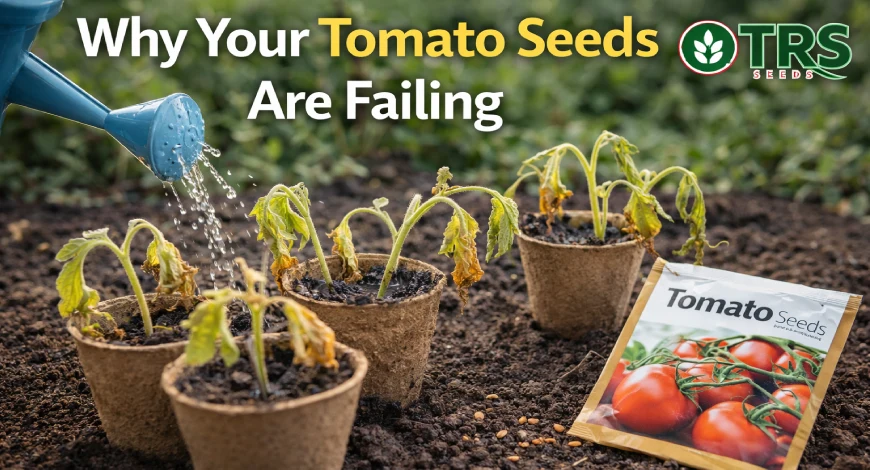
Tomato farming looks simple on paper, but many Indian farmers face the same problem every season: poor germination, weak plants, low yield, or crop failure. In most cases, the issue is not the weather or fertilizer. The real problem lies in seed choice and early-stage mistakes that are rarely discussed.
Let’s uncover the hidden reasons for tomato seed germination problems and how choosing the right hybrid tomato seeds in India can change your results.
1. Poor Seed Quality Is the Biggest Silent Killer
Many farmers unknowingly buy seeds based on price instead of performance.
Common Seed-Related Problems
- Low germination rate
- Mixed or impure varieties
- Weak seedlings
- No disease resistance
Seeds sourced from unknown sellers or unreliable dealers often fail to perform. Choosing seeds from a trusted Vegetable Seeds Company ensures genetic purity and better field results.
2. Using the Wrong Tomato Variety for Your Region
Not all tomato varieties perform well everywhere.
Why Regional Suitability Matters
- High-humidity areas need disease-tolerant hybrids
- Dry regions need heat-resistant varieties
- Open-field and polyhouse seeds are different
Farmers using Hybrid Tomato Seeds in India, specifically developed for local conditions, experience fewer failures and better fruit setting.
Tip: Always ask Hybrid Seeds Suppliers about recommended regions before purchasing.
3. Nursery Management Mistakes That Hurt Germination
Seed failure often starts in the nursery, not the field.
Common Nursery Errors
- Overwatering the seed tray
- Using infected soil or cocopeat
- Poor drainage
- No seed treatment
High-quality seeds from the best tomato seeds in India still need proper nursery care to show their full potential.
4. Ignoring Disease Resistance Is a Costly Mistake
Tomato crops in India face constant pressure from:
- Leaf curl virus
- Early blight
- Fusarium wilt
- Bacterial wilt
How Hybrid Seeds Reduce Crop Loss
Modern hybrids come with built-in resistance or tolerance to major diseases. This reduces:
- Pesticide cost
- Crop stress
- Yield loss
Reputed Hybrid Seeds Suppliers clearly mention resistance traits on seed packets or catalogs.
5. Overlooking Soil Health and Nutrition Timing
Even good seeds fail in poor soil.
What Tomato Plants Actually Need
- Well-drained soil with organic matter
- Balanced nutrients (NPK + micronutrients)
- Split fertilizer application
Excess nitrogen leads to leafy growth but fewer fruits. Farmers working with a professional seed company often get crop advisory support along with seeds.
6. Cheap Seeds Often Cost More in the Long Run
Saving money on seeds can lead to:
- Low yield
- Poor market quality
- More chemical usage
Why the Best Tomato Seeds in India Are Worth It
Premium hybrid seeds may cost more initially but deliver:
- Uniform fruits
- Higher yield per acre
- Better shelf life
This directly improves market price and profitability.
Final Thoughts
Tomato Seed Germination Problems usually results from wrong seed choices, nursery mismanagement and a lack of attention to regional growing conditions. Farmers who select the right hybrids and follow proper nursery practices significantly reduce crop risks and improve overall productivity.
Companies like TRS Seeds India Pvt. Ltd. develop hybrid tomato seeds suited to Indian climates and farming needs, helping farmers avoid common cultivation mistakes.
For expert guidance and dependable seeds, reach out to us:
Email: info@trsseeds.com
Contact us: 9825451088
Because successful tomato farming begins with the right seeds and the right support.
FAQs
1. Why do tomato seeds fail to germinate?
Poor-quality seeds, overwatering, infected nursery media, or improper temperature are the main reasons.
2. Which are the best tomato seeds in India for high yield?
High-yield hybrid seeds with disease resistance and regional adaptability perform best in Indian conditions.
3. Should farmers buy tomato seeds online or offline?
Farmers should buy only from authorized Hybrid Seeds Producers, whether online or offline, to avoid fake seeds.
4. Are hybrid tomato seeds suitable for all climates in India?
No. Farmers must select hybrids recommended for their specific climate and growing conditions.