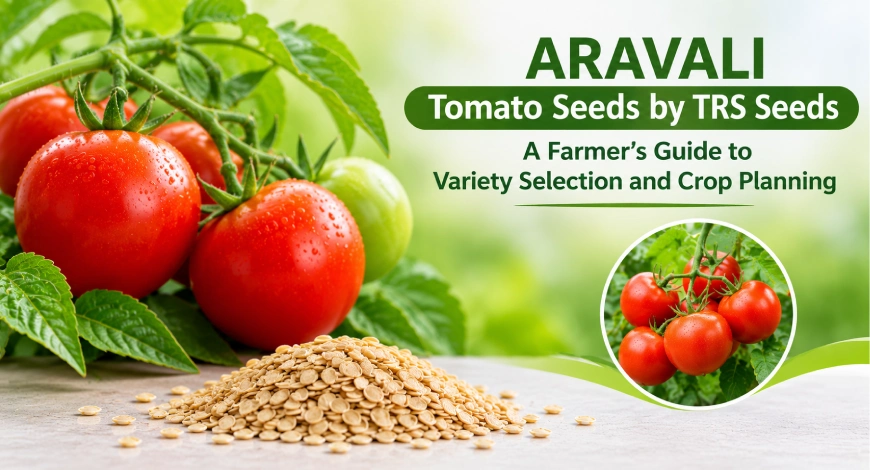
Choosing the right tomato variety is an important step in planning a productive crop. ARAVALI Tomato Seeds by TRS Seeds can be considered by farmers who are evaluating hybrid options for their local growing conditions, disease risks and market requirements. Before selecting a seed, it is important to understand the field, expected crop schedule and buyer preferences.
Farmers exploring hybrid tomato seeds in Gujarat should compare variety information with their farm conditions instead of choosing seeds on popularity alone.
Understanding ARAVALI Tomato Seeds by TRS Seeds
A suitable tomato hybrid should match the farmer’s production goals as well as the conditions in which it will grow. ARAVALI is a tomato hybrid option from TRS Seeds that farmers can evaluate when planning their next crop.
The variety information supplied with the seed pack should guide the final decision. Before purchasing, check the following:
- Recommended growing season and region
- Plant growth habit and crop duration
- Fruit size, shape, colour and firmness
- Recommended spacing and cultivation practices
- Available information on disease tolerance
These details help farmers understand whether a variety fits their field and the requirements of their intended market.
How to Assess Your Farm Before Selecting ARAVALI
Seed selection should begin with a field assessment. Even a suitable hybrid may not perform as expected if soil, water and seasonal conditions are not managed properly.
1. Check soil and drainage
Tomato plants need well-drained soil. Fields with standing water or poor drainage can increase root and disease problems, particularly during periods of heavy rainfall.
Before planting, review soil condition and arrange drainage channels where needed. A soil test can also help identify nutrient deficiencies and guide fertiliser planning.
2. Consider the local climate
Temperature, humidity and rainfall influence flowering, fruit setting and crop health. High temperatures can affect fruit setting, while prolonged humidity may increase disease pressure.
Farmers in Gujarat should plan sowing and transplanting according to their district, irrigation access and seasonal forecast. Avoid relying on a fixed calendar without considering local conditions.
3. Review previous crop history
Tomato belongs to the Solanaceae family. Repeatedly growing tomato, chilli, brinjal or potato in the same field can increase the risk of certain soil-related problems.
Where possible, follow crop rotation with suitable non-solanaceous crops. Also record previous disease incidents before selecting a new field.
Disease Risk and Crop Protection Planning
Disease management should be part of seed selection, not something considered only after symptoms appear. ARAVALI’s stated tolerance characteristics should be checked against the current TRS Seeds product information and seed packaging. Tolerance does not mean complete immunity.
Tomato leaf curl virus and bacterial wilt are important risks in tomato production. The National Institute of Plant Health Management’s tomato IPM guidance provides information on preventive and integrated crop-protection practices.
Farmers can reduce avoidable risks by:
- Raising healthy seedlings in a protected nursery.
- Removing infected plants and crop residues as advised.
- Monitoring whiteflies and other insect vectors regularly.
- Avoiding waterlogging and unnecessary plant injury.
- Following locally recommended crop-protection practices.
If a disease has repeatedly affected a field, consult a local agricultural expert or KVK before finalising the variety.
Planning the Crop Around Your Market
A good crop plan considers what buyers need, not just how much land is available. Tomato growers supplying local markets, wholesalers, processors or contract buyers may have different quality requirements.
Before sowing, discuss these points with potential buyers:
- Preferred fruit size, shape and colour
- Firmness and handling requirements
- Expected harvesting window
- Quantity and delivery schedule
- Grading and packaging standards
This information can help farmers decide whether the selected hybrid suits their sales channel. It is also useful for dealers and agricultural cooperatives advising growers on seed choices.
What to Check Before Buying from a Seed Supplier
Farmers comparing the best tomato seeds in India should look beyond promotional claims. Reliable product information and traceable seed packaging are important parts of a responsible purchase.
When evaluating TRS Seeds or other Vegetable Seeds Suppliers in Gujarat, check:
- Correct hybrid name and product label
- Seed lot or batch identification
- Packing and expiry details
- Germination information and applicable quality details
- Recommended cultivation guidance
- Availability of support for product-related queries
TRS Seeds India Pvt. Ltd. offers hybrid vegetable seed options for farmers and agricultural buyers. Reviewing the product details and confirming suitability for the local growing area can support a more informed purchase.
Final Thoughts
Selecting ARAVALI tomato seeds should be part of a wider crop-planning decision. Soil drainage, seasonal conditions, previous crop history, disease pressure and market demand all influence the suitability of a tomato hybrid.
Farmers should review the latest variety information from TRS Seeds, compare it with local recommendations and plan nursery management before sowing. A careful approach to seed selection and field preparation can help reduce avoidable risks and support better-managed tomato production.
FAQ
1. What should farmers check before buying ARAVALI Tomato Seeds by TRS Seeds?
Farmers should check the recommended growing season, regional suitability, plant growth habit, fruit characteristics and disease-tolerance information. They should also review the seed packet details, including the lot number, packing date and applicable quality information, before purchasing.
2. Are ARAVALI Tomato Seeds suitable for farming in Gujarat?
Suitability depends on the district, planting season, soil type, irrigation facilities and local disease pressure. Gujarat farmers should compare the latest ARAVALI product recommendations with their field conditions and seek local agricultural guidance before selecting a sowing date.
3. How can farmers choose the best tomato seeds in India?
Farmers should compare hybrids based on regional suitability, fruit quality, crop duration, disease risks and buyer requirements. Seed quality, reliable product information and supplier support also matter. A hybrid that suits one location or season may not be ideal for another.
4. What are the important factors when selecting Hybrid Tomato Seeds in India?
Consider climate, soil drainage, water availability, previous crop history and the intended market. Also check the hybrid’s recommended cultivation practices and available disease-tolerance information. These factors help farmers select seeds that match their production conditions and selling plans.
5. How can farmers identify reliable Vegetable Seeds Suppliers in Gujarat?
Check whether the supplier provides properly labelled seed packets, batch details, packing information and clear cultivation guidance. Farmers should also confirm product authenticity and keep purchase records. Transparent product information makes it easier to verify the seed and raise queries if needed.