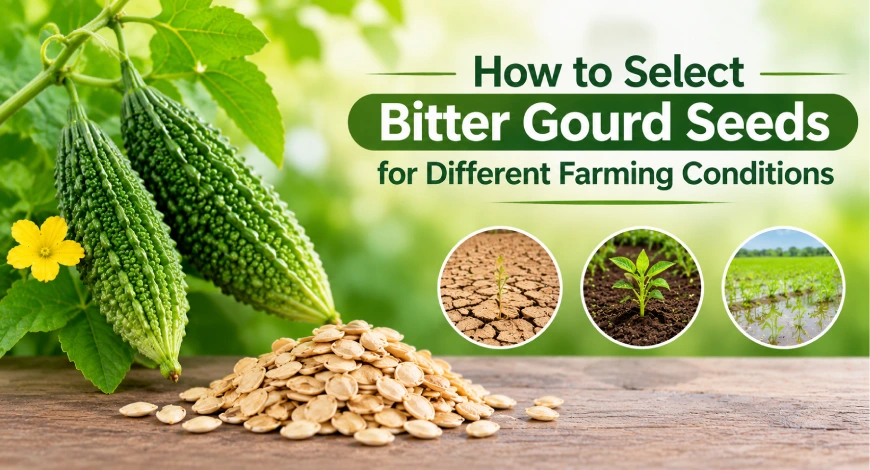
Choosing the right Bitter Gourd Seeds for Different Farming Conditions can make a practical difference to crop establishment, fruit quality and farm planning. Soil type, rainfall, temperature, irrigation facilities and market preferences all influence which variety or hybrid may suit a particular field. A seed that performs well on one farm may not give the same results under different conditions.
Farmers exploring Hybrid Vegetable Seeds Supplier in India options should compare seed characteristics with their local requirements before making a purchase.
1. Select Seeds According to Soil Conditions
Bitter gourd grows in different soil types, but well-drained sandy loam to loamy soil with good organic matter is generally suitable. Poor drainage can cause root problems and affect plant growth.
Before selecting seeds, assess:
- Sandy soil: Check moisture frequently because it may dry out quickly.
- Clayey soil: Ensure proper drainage to prevent water accumulation around roots.
- Loamy soil: Maintain suitable moisture and nutrient levels for steady crop growth.
- Saline soil: Check soil salinity and seek local recommendations before choosing a variety.
A soil test can help farmers understand nutrient levels, pH and other conditions that may affect crop establishment.
2. Choose a Suitable Hybrid for the Growing Season
Bitter gourd is grown in different seasons across India. However, sowing time depends on local temperature, rainfall and irrigation availability.
Summer cultivation
Summer crops may face high temperatures and faster moisture loss. Select seeds with documented suitability for the local summer season. Plan irrigation carefully, particularly during flowering and fruit development.
Monsoon cultivation
Rainy-season cultivation requires attention to field drainage and humidity. Avoid low-lying fields where water remains stagnant. Choose hybrids recommended for the local growing season and monitor plants regularly for fungal diseases.
Winter or protected cultivation
In cooler regions, low temperatures can slow germination and plant growth. Farmers using protected structures should check whether the selected variety is suitable for that production system.
The ICAR–Indian Institute of Vegetable Research bitter gourd guidance provides information on suitable climate, soil, sowing periods, cultivation practices and crop characteristics. Farmers should follow recommendations relevant to their own region.
3. Consider Irrigation and Water Availability
Water availability is an important factor when choosing Hybrid Bitter Gourd Seeds. The crop needs adequate moisture for healthy vine growth and fruit development but excessive watering and waterlogging can damage roots.
Consider your irrigation facilities:
- Rainfed farming: Select a hybrid with documented suitability for the local rainfall pattern and prepare proper drainage.
- Limited irrigation: Plan water use carefully and consider drip irrigation where practical.
- Regular irrigation: Maintain consistent soil moisture without keeping the root zone saturated.
Flowering and fruiting are important stages for moisture management. Avoid allowing the crop to experience severe water stress during these periods.
4. Match Fruit Characteristics with Market Demand
Seed selection should also reflect the market where farmers plan to sell their produce. Different buyers may prefer different fruit lengths, shapes, colours, surface textures and maturity stages.
Before purchasing, check:
- Expected fruit size and shape.
- Fruit colour and surface appearance.
- Maturity period and picking frequency.
- Market preference for local or wholesale supply.
- Handling and transportation requirements.
Speak with traders, retailers and local buyers before sowing. Their feedback can help farmers select a hybrid that matches the expected market grade.
5. Check Seed Quality and Supplier Reliability
A suitable hybrid must also come from a reliable source. Farmers comparing a Hybrid Seeds Company in India should check more than promotional claims.
Look for these details:
- Properly labelled and sealed seed packets.
- Batch number and applicable validity information.
- Clear product characteristics and growing recommendations.
- Information about germination and seed quality.
- Availability of technical support through the supplier or authorised dealer.
A dependable Vegetable Seeds Manufacturer in India should communicate product information clearly and help buyers understand the hybrid’s recommended growing conditions.
TRS Seeds India Pvt. Ltd. offers vegetable seed options for farmers and agricultural buyers. Review the available product range and confirm the characteristics, availability and suitability of individual products before ordering.
6. Prepare the Field for Better Crop Establishment
Even suitable seeds need proper field preparation and crop care. Prepare a fine seedbed, incorporate well-decomposed organic manure according to local recommendations and follow the spacing suggested for the selected hybrid.
Farmers should also:
- Use healthy seeds from a traceable packet.
- Follow recommended sowing depth and spacing.
- Provide support or trellising where suitable.
- Monitor weeds, pests and disease symptoms.
- Apply nutrients based on soil conditions and crop requirements.
- Harvest fruits at the stage preferred by the target market.
These practices help farmers manage the crop throughout its growing period.
Final Thoughts
Selecting the right bitter gourd seeds requires more than choosing a popular hybrid. Soil type, season, irrigation, local climate and buyer preferences should all guide the decision.
Whether you are comparing Vegetable Seeds Suppliers or looking for a trusted Seeds Producer Company in India, prioritise genuine seed quality, clear product information and regional suitability. Reviewing these factors before sowing can help farmers make better-informed cultivation decisions and plan their crop with greater confidence.
FAQ
1. Which bitter gourd seeds are suitable for different farming conditions?
The suitable seeds depend on soil type, climate, sowing season, irrigation and market requirements. Farmers should compare the hybrid’s documented characteristics with their field conditions. Check regional recommendations and consult an authorised seed supplier before selecting seeds for commercial cultivation.
2. How do I select hybrid bitter gourd seeds for monsoon farming?
For monsoon cultivation, consider hybrids recommended for rainy-season growing conditions. Select well-drained fields, avoid waterlogging and monitor plants for fungal diseases. Check the supplier’s crop recommendations and confirm that the hybrid is suitable for your local rainfall and temperature conditions.
3. Which soil is best for bitter gourd cultivation?
Well-drained sandy loam to loamy soil with good organic matter is generally suitable for bitter gourd. Heavy soil may require improved drainage to prevent waterlogging. A soil test can help farmers assess pH and nutrient levels before preparing the field for sowing.
4. How can I choose bitter gourd seeds for limited irrigation?
Farmers with limited irrigation should compare hybrids with documented suitability for their local moisture conditions. Plan irrigation around important growth stages, especially flowering and fruit development. Improve soil moisture management and avoid assuming that any hybrid can perform well under severe water shortage.
5. What should I check before buying seeds from a vegetable seeds manufacturer in India?
Check packet sealing, batch details, applicable validity information, product characteristics and recommended growing conditions. Ask about seed quality information and technical support. Buying through an authorised dealer and keeping purchase records can help farmers verify the product and follow up if concerns arise.